Jujitsu is a Japanese form of unarmed combat
The origins of ju-jitsu can be traced thousands of years. There is a reference to a martial art tournament held to mark the seventh year of Emperor Shuinjin’s reign in 23BC; One can assume that training would have existed before this date. Originally the techniques were called kumi-tachi or yawara, with supporting references as far back as the 13th century. There is also strong evidence to suggest that the roots of these systems were Chinese in origin. However, the guru Bodhirarma – a wondering monk who is believed to have developed Fighting systems, actually lived after these traceable origins of Japanese Fighting arts.
Sometimes, the simplest moments hold the deepest wisdom. Let your thoughts settle, and clarity will find you.
Jujitsu is a Japanese Form of unarmed combat. The origins of ju-jitsu can be traced thousands of years. There is in fact reference to a martial art tournament held to mark the seventh year of Emperor Shuinjin’s reign in 23BC. It may therefore be assumed that training would have existed before this date. Originally the techniques were called kumi-tachi or yawara, reference to which can he traced as far back as the 13th century. There is also strong evidence to suggest that the roots of these systems were Chinese in origin. However, the guru Bodhirarma – a wondering monk who is believed to have developed Fighting systems, actually lived after these traceable origins of Japanese Fighting arts.
In truth the origins probably date back as far as man developed the need to defend himself. The stylised systems probably being developed and recorded some time after. The development of jujitsu in this country can be more easily traced. In 1897 E.J.Harrison took up a position with a newspaper in Yokohama. His fascination led him to join the Tenshin Shinyo Ryu thus becoming the first foreign student or gaijin. ( a fuller account can be found in his book ‘ The Fighting spirit of Japan’) In 1899 Yukio Tani came to England and toured many of the music halls demonstrating his skills by way of open contests. In 1904 the First ju-jitsu dojo was opened in Oxford Street, London by Yukio Tani.
The spread of ju-jitsu now sees a variety of different dojo’s and styles in Great Britain thanks to the dedication and commitment of a host of sensei and students alike. To some extent this emulates the dojo’s in Japan which numbered in the hundreds. All had closely guarded training regimes and skills. Kenseikai ju-jitsu was created by several instructors in ju-jitsu who joined forces after being disillusioned with the degree of politics that had become apparent and in some cases overshadowed the true purpose for training. The then head of Kenseikai Budo in Great Britain, Fuji Sensei, graciously gave permission For the ju-jitsu dojo’s to use this famous name. The translation of Ken-sei literally means ‘sword saint’. Unfortunately the ju-jitsu element has gone through many changes, arrivals and departures of Yudansha since its establishment in 1990 but it is hoped that the true spirit and concepts kai still exist. Long may it remain so.
Each dojo within the organisation has it s own name which helps preserve it s own identity whilst having due deference to the governing body.Meet the dedicated instructors committed to preserving the art of Jujitsu.
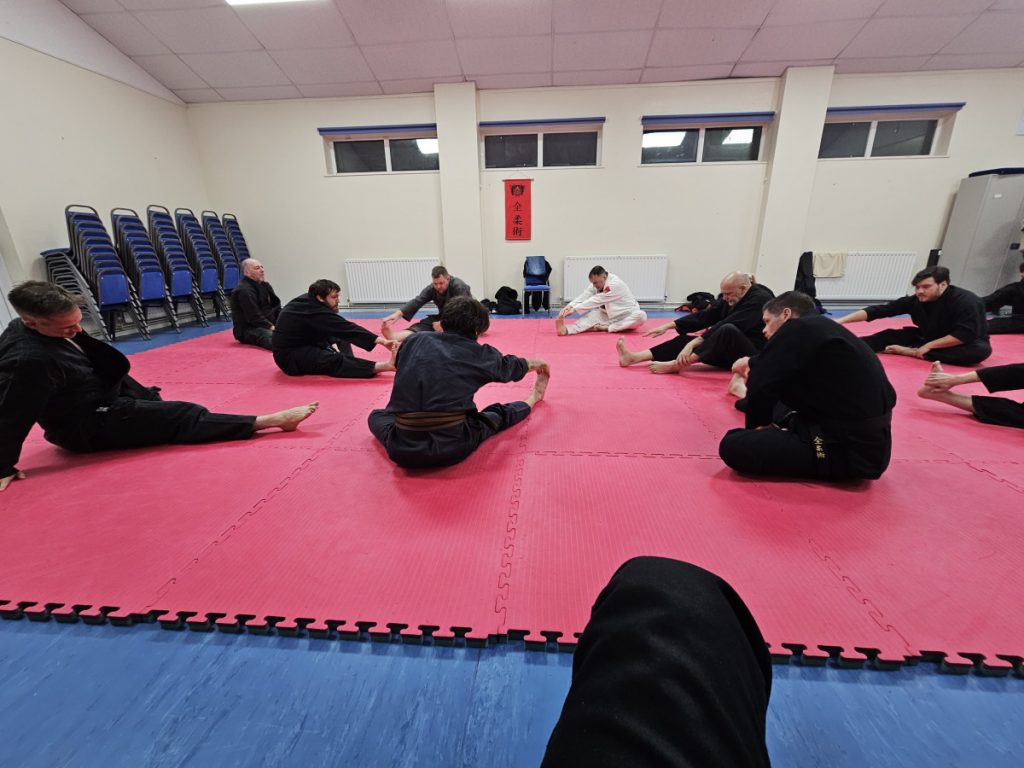
Each dojo within the organisation has it s own name which helps preserve it s own identity whilst having due deference to the governing body; The Gosport Dojo is the Dragon Dojo.
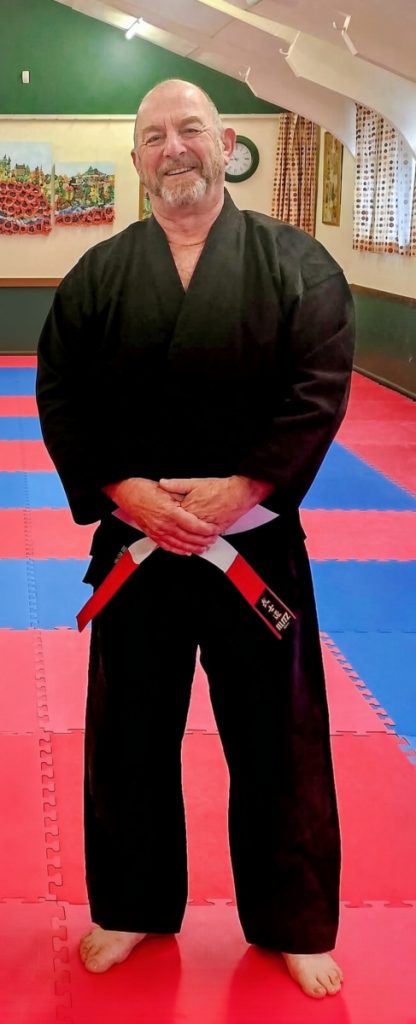
Our Head Sensei Shihan Colin Foster
Shichidan Head Instructor
With decades of training, Sensei Colin upholds the true spirit of Japanese Jujitsu.
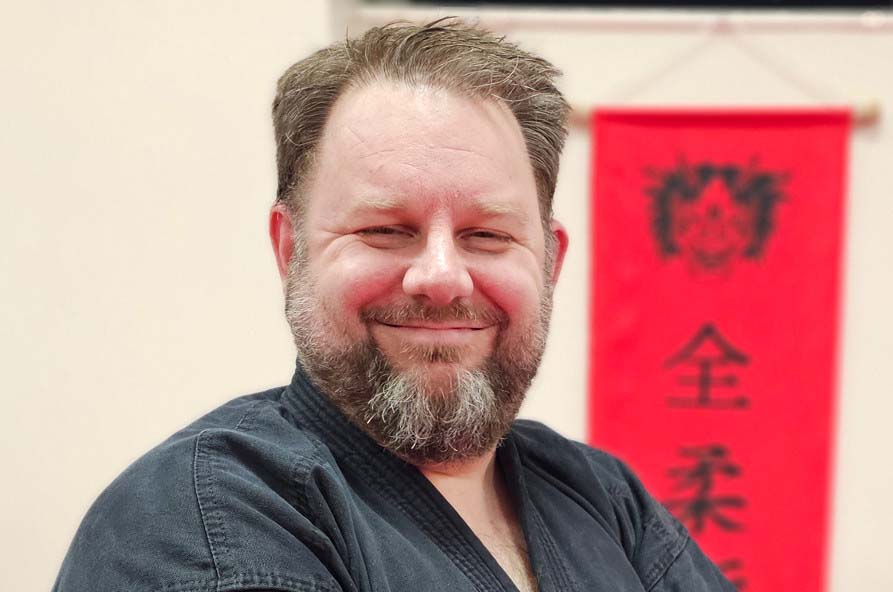
Sensei James Coyne
Rokudan Chief Instructor
Trained since a teenager, Sensei James has a wealth of knowledge and experience, mixing traditional techniques with practical application on the mat.

Sensei Daz
Nidan Senior Instructor
Specializes in the preservation of historical techniques and disciplined training.